
Our History
Painswick Music Society was founded in 1946. The driving force was Mercia Salusbury Baker (née Stotesbury), a professional violinist who lived in Pitchcombe, on the outskirts of Painswick, Gloucestershire. Deprived of live music-making during World War II the Salusbury-Bakers regularly invited professional musicians to come to their home, ‘Vyners’, to perform to friends and raise money for the Red Cross. For many months they waited for peace to return, so they could realise their ambition to set up a music charity. Their vision was to revive opportunities for the people of Painswick and the surrounding villages to enjoy high quality, live classical music; and to create new opportunities for music making amongst professional musicians. Finally, in 1945, the Salusbury Bakers and their friend, Miss Bryans, sent out printed cards, seeking promises from local residents to subscribe to a music society. The response was positive and a meeting was held at Rudge House, where the Painswick Music Society was formed.
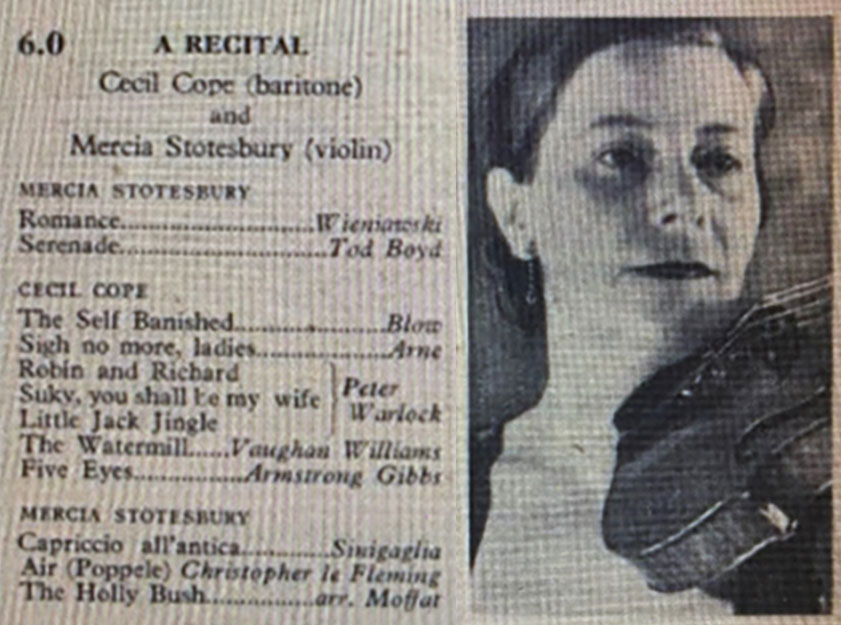
Source: Radio Times, 16th April 1938
Two founding Members of Painswick Music Society
Mrs Mercia Salusbury Baker was born in Rodborough in 1897 and attended Ryeford (now Wycliffe) School in Stonehouse. Professionally known by her maiden name Mercia Stotesbury, she trained with W.H. “Billy” Reid (Leader of the recently created London Symphony Orchestra) and she regularly performed as an international violin soloist. By the mid 1920s was already making wireless radio broadcasts and in 1930 became “the first lady violinist to televise.” (Television 1930). During the 1930s Mercia Stotesbury began performing with her future husband, the baritone William Salusbury-Baker. They married in 1939 and moved to ‘Vyners’ in Pitchombe, on the outskirts of Painswick, Gloucestershire. In 1946 Mrs Salusbury Baker became the founding Chair and later first President of Painswick Music Society.
C.W.Orr was already a well-established composer when he came to live in Painswick during the 1920s, in later years living in a house close to St Mary’s Church, now marked by a memorial plaque. He wrote numerous settings of A. E. Housman poetry, many of which have been performed at Painswick concerts. One of his compositions entitled Minuet includes the following dedication to Painswick Music Society’s founder:
“…to that noble, sublime, incomparable artist; the once-heard-never-forgotten Miss Mercia Stotesbury”
The first Painswick Music Society concert, on Saturday 30th March 1946, was given by the Marjorie Hayward String Quartette, performing Mozart and Dvorak quartets as well as a more recently composed piece by Frank Bridge, Novolletten.
Three more concerts were soon planned for the rest of 1946: a piano recital given by Denis Matthews, a concert of violin sonatas performed by Winifred Small; and a varied programme for soprano, flute, cello and harp including works by Haydn, Faure, Honneger, Bax and Vaughan Williams. That first season set the pattern for live classical chamber concerts on Saturday afternoons in springtime (normally March to May) – a tradition that has continued every year since (except for a forced pause in 2020 due to the Covid pandemic).
While our reputation for great concerts in a beautiful location has always been a major attraction, travelling to Painswick presented challenges during the post-war years, when car ownership was still a minority luxury. Committee Minutes from the 1950s note that buses were very crowded on Saturday afternoons; and suggested audience members offer lifts to others who might have travel difficulties. The committee also changed the times for concerts to 3.15pm to link better with bus timetables. In 1959 plans changed again, starting concerts at 2.45pm, to coincide with the bus from Cheltenham! In modern times, the challenges are very different, more often about finding adequate parking to cope with the influx of cars on concert days!
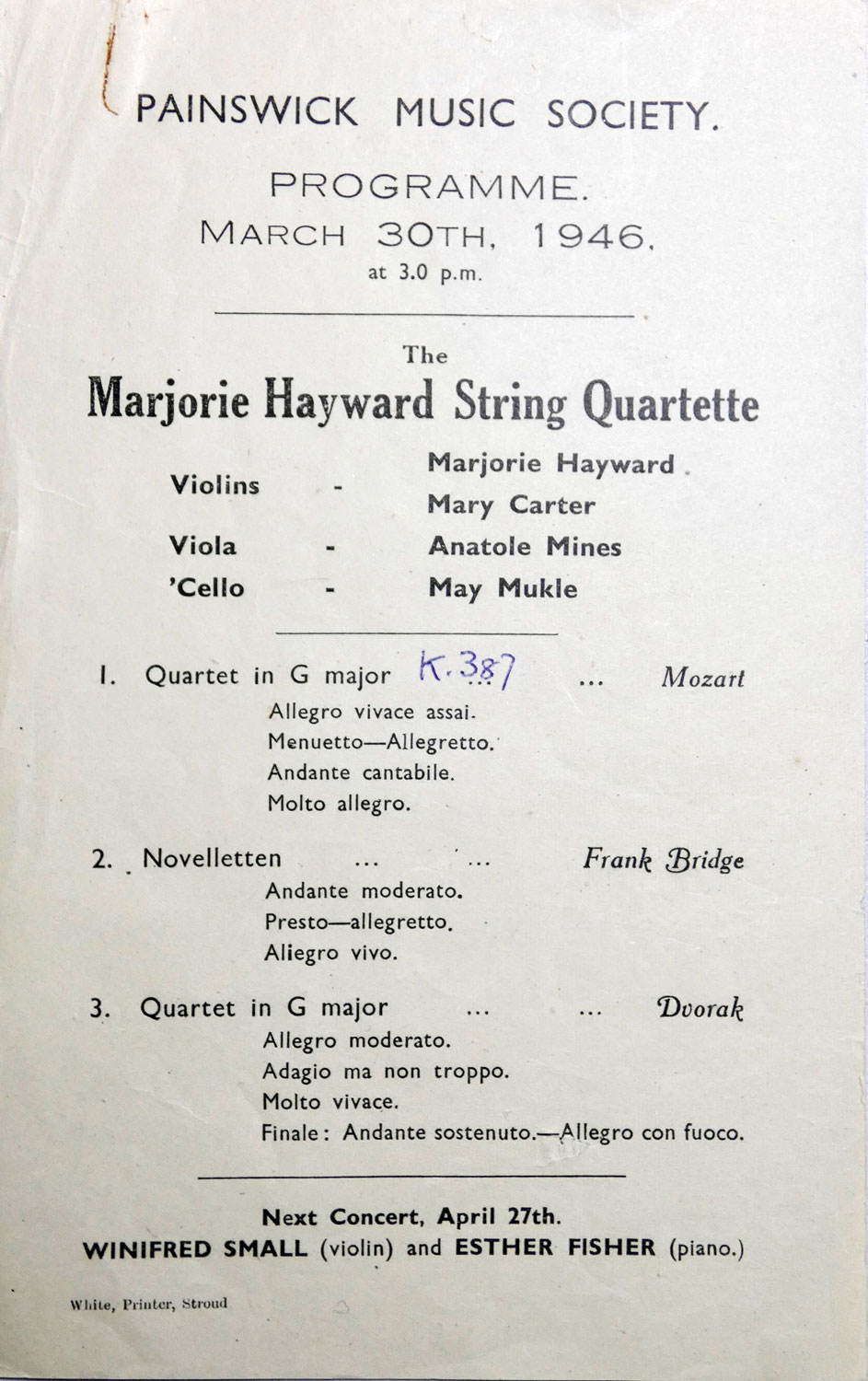
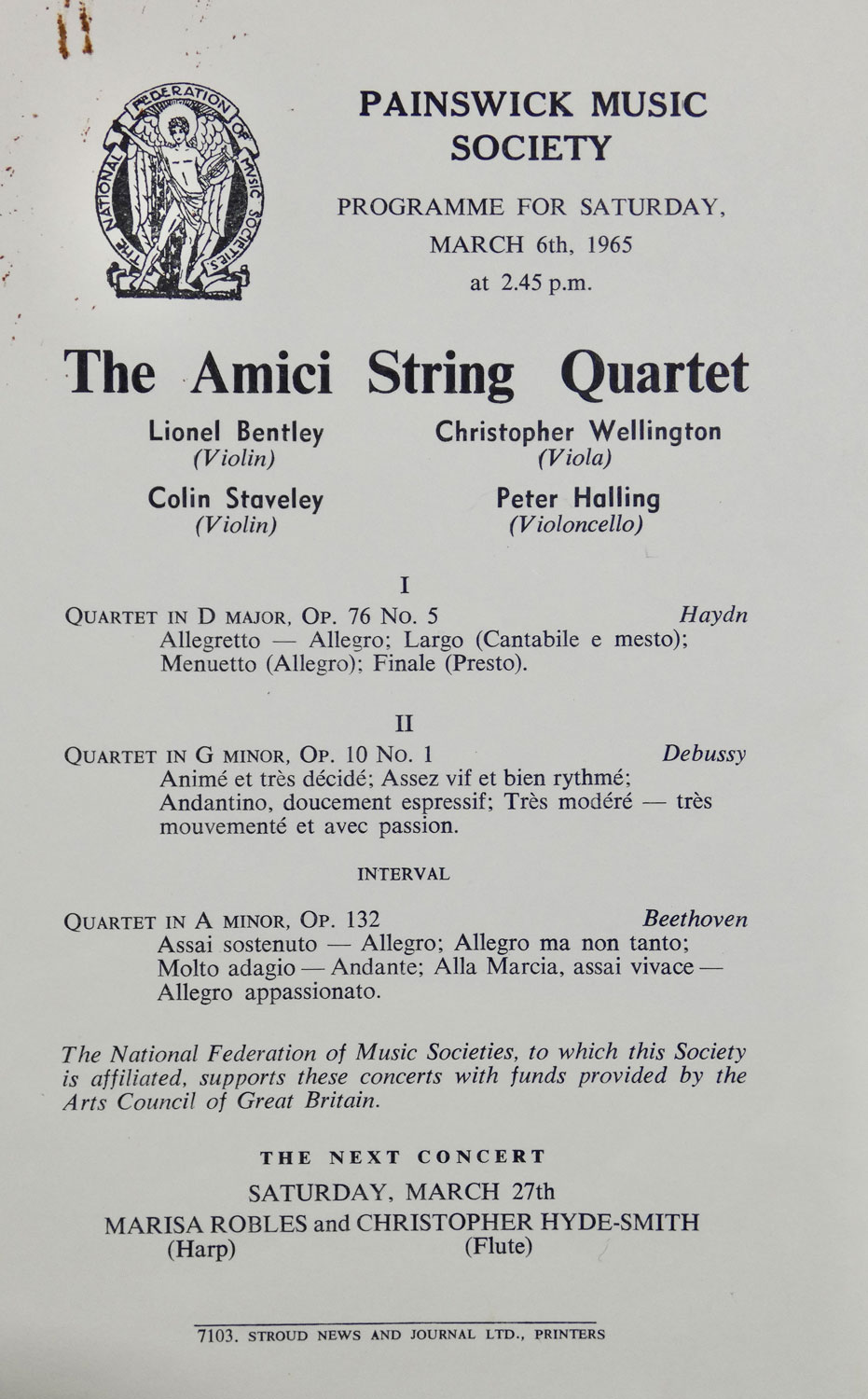
For the first 40 seasons (1946-1984), all the Society’s concerts were held at The Painswick Institute & Working Men’s Club (or the ‘Stute’ as it was affectionately known), which is now updated as The Painswick Centre. Amongst the many high points in the early history of the society was during season 18 – a recital given by Janet Baker (contralto) on 20th April 1963, performing works by Lully, Rameau, Monteclair, Dunhill, Finzi, Brahms (Four Serious Songs), plus songs by Painswick composer, C.W. Orr, with the composer himself providing piano accompaniment. Just one year later, Janet Baker went on to make the famous recording of Elgar’s Dream of Gerontius, conducted by Sir John Barbirolli. By the 1960s Painswick Music Society concerts were becoming more widely known, with publicity reaching far beyond the immediate Gloucestershire audience. We were delighted when the BBC agreed to record The Amici Quartet’s performance of Haydn, Debussy and Beethoven, for broadcast on 15th June 1965, and again in 1967. The Society collected a fee of 12 guineas from the BBC!
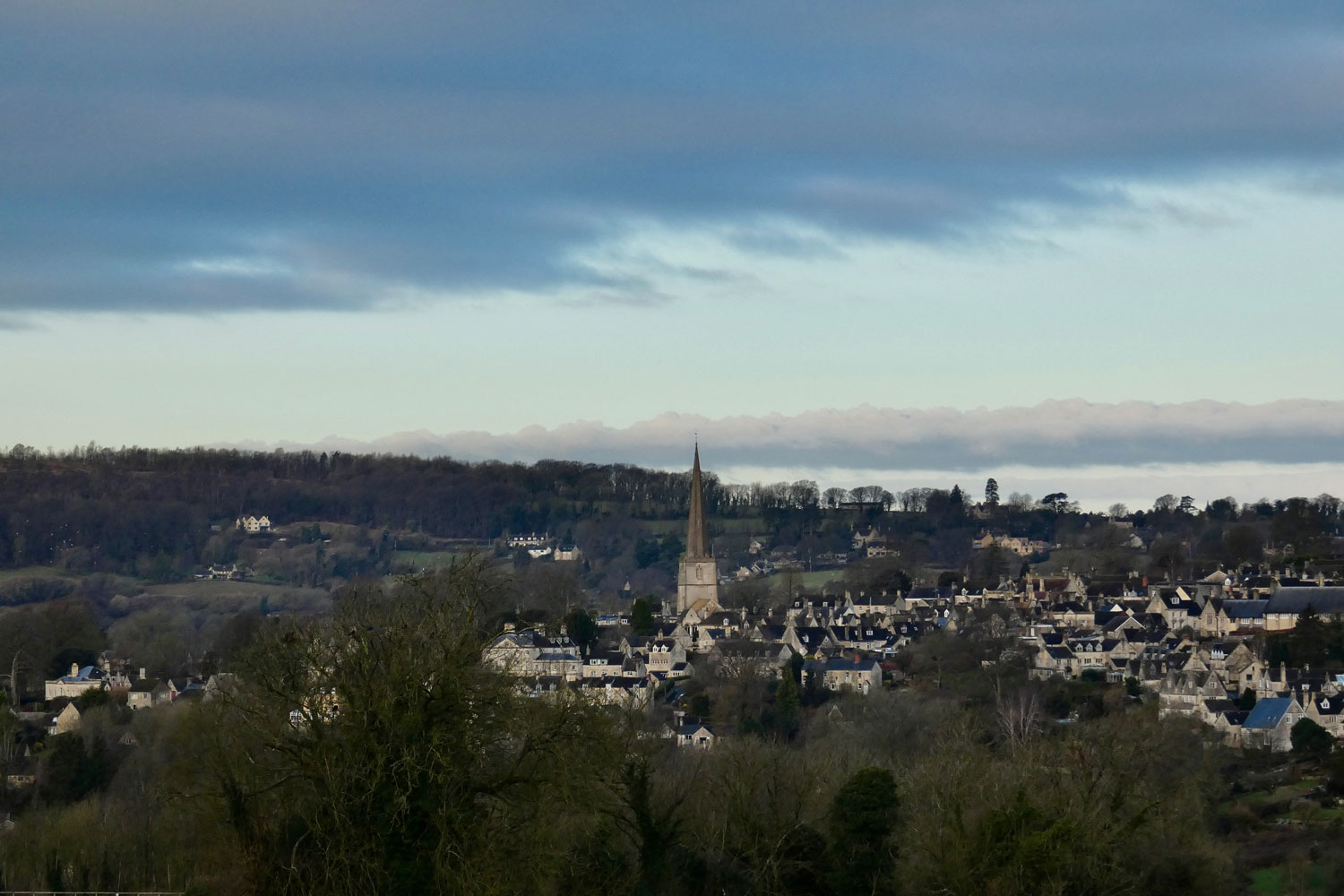
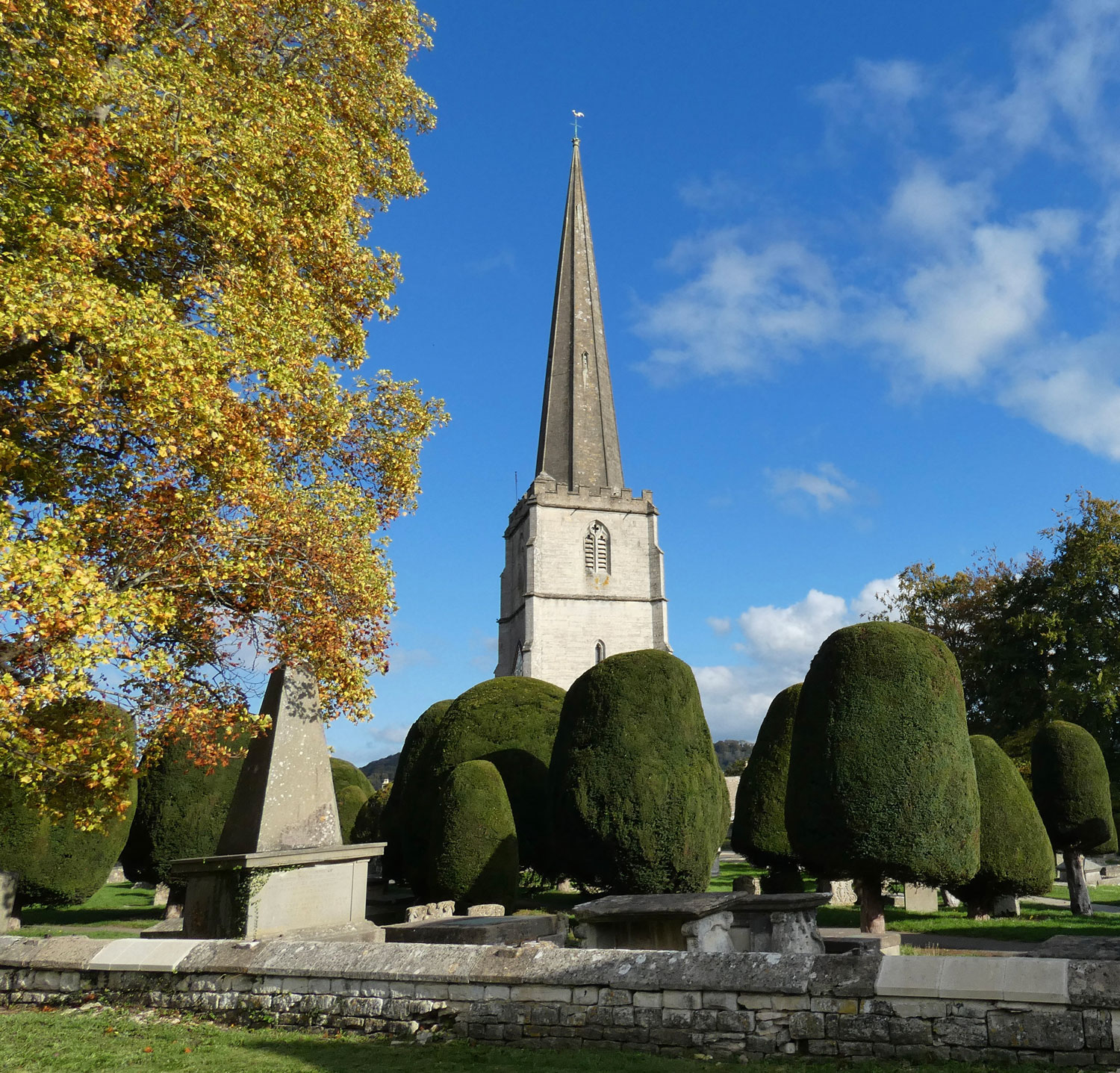
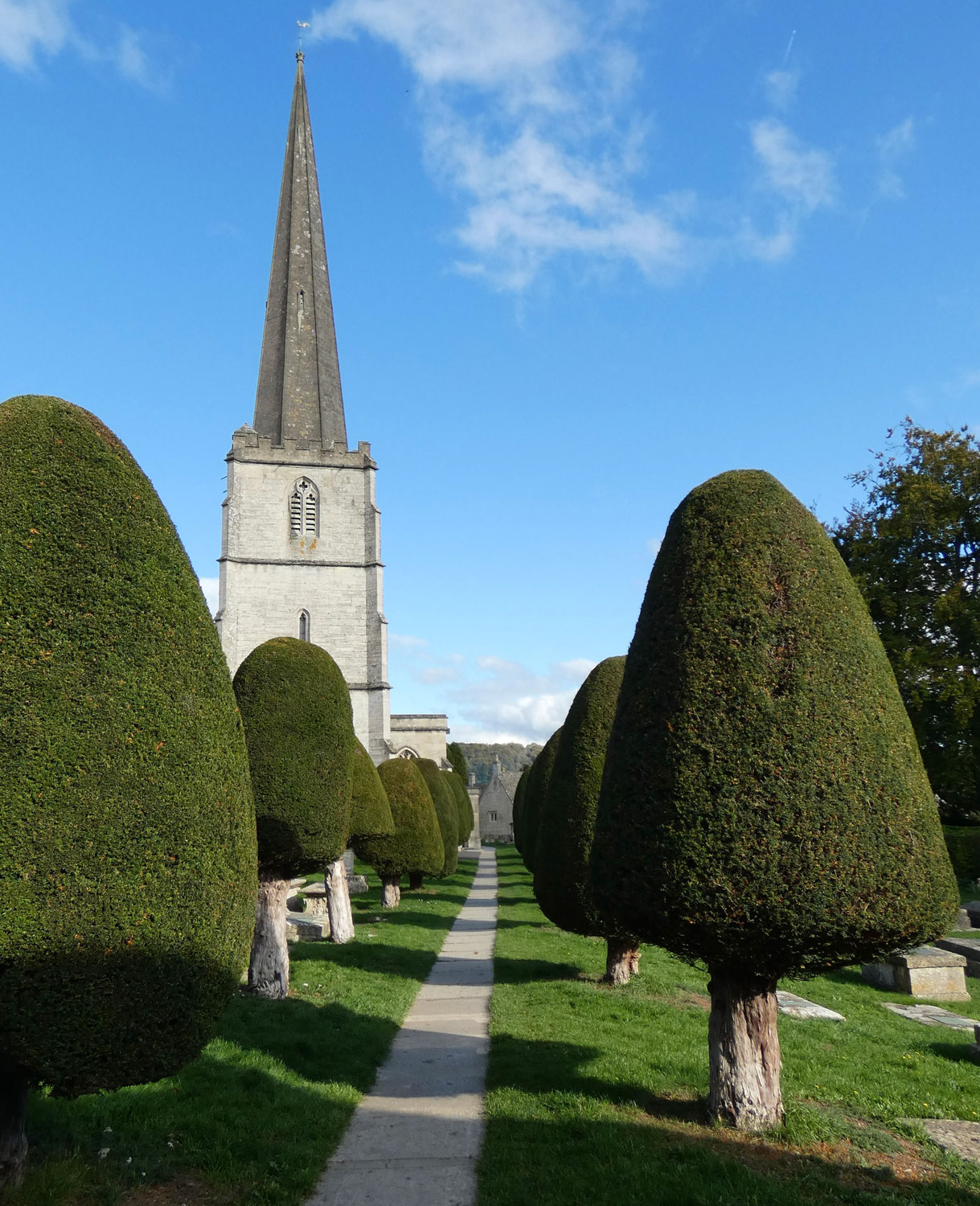
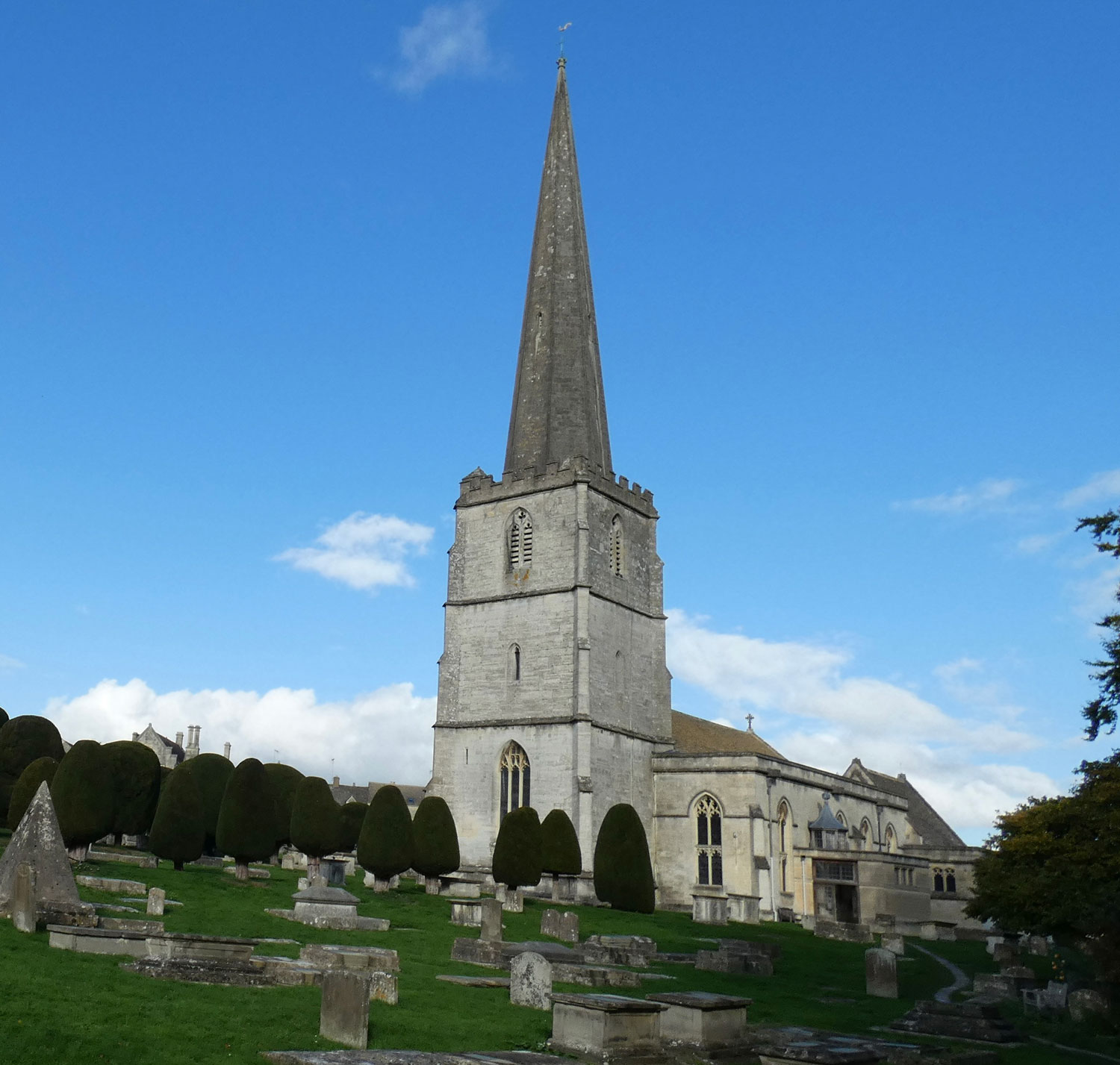
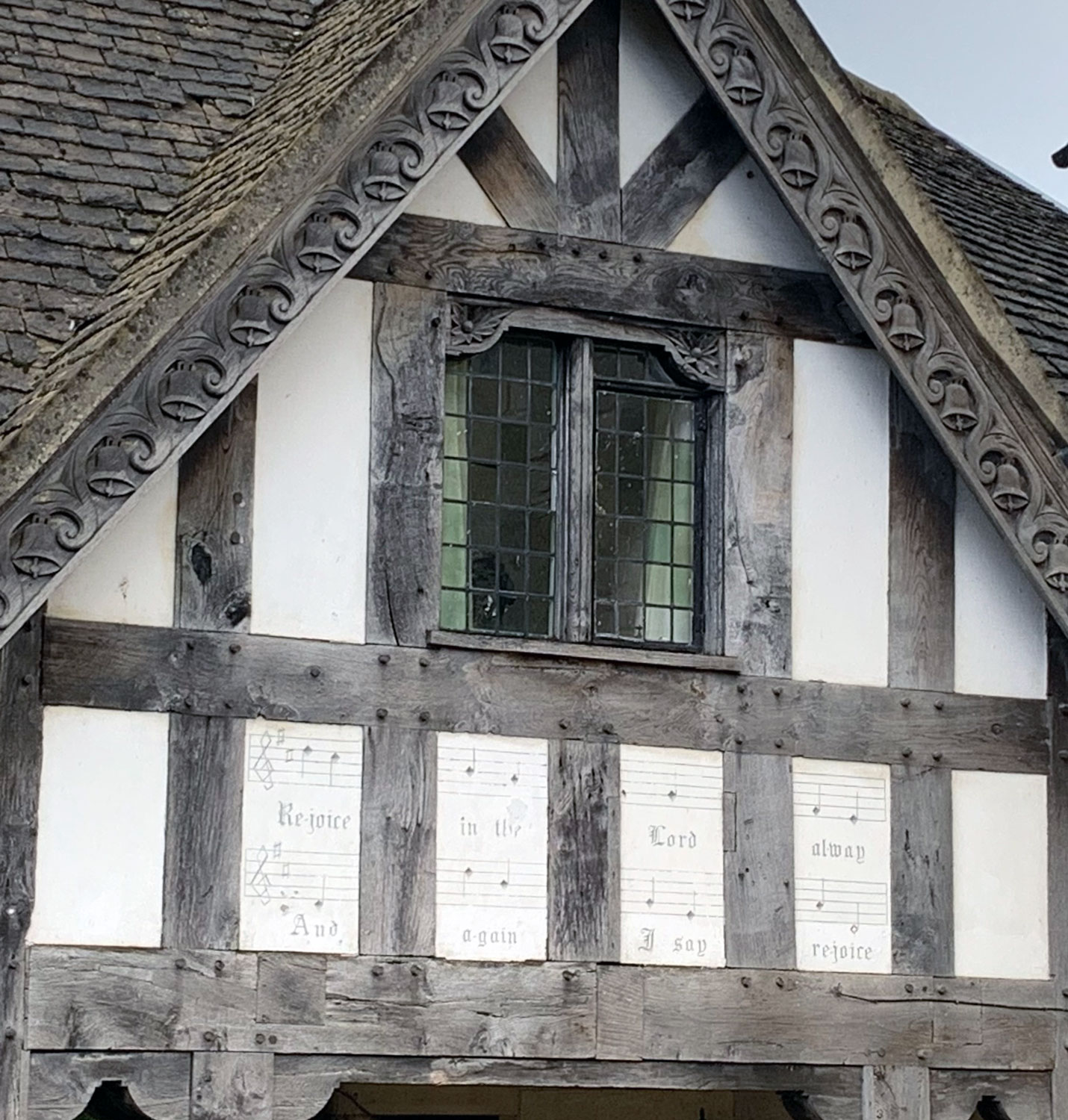
By 1984 the committee felt the time had come for a change of venue for our concerts. Following several years of debate, the Painswick Music Society transferred to our present home. St Mary’s Church dates from the eleventh century, is in a beautiful setting, and surrounded by the avenues of 99 ancient yew trees. St Mary’s also has the added advantage of very favourable acoustics, with music at the heart of worship for centuries. Another interest for visitors is the Lych Gate panels inscribed with the opening of Henry Purcell’s anthem “Rejoice in the Lord always…”, often known as the Bell anthem, and also represented by the carvings of bells that span the eaves.

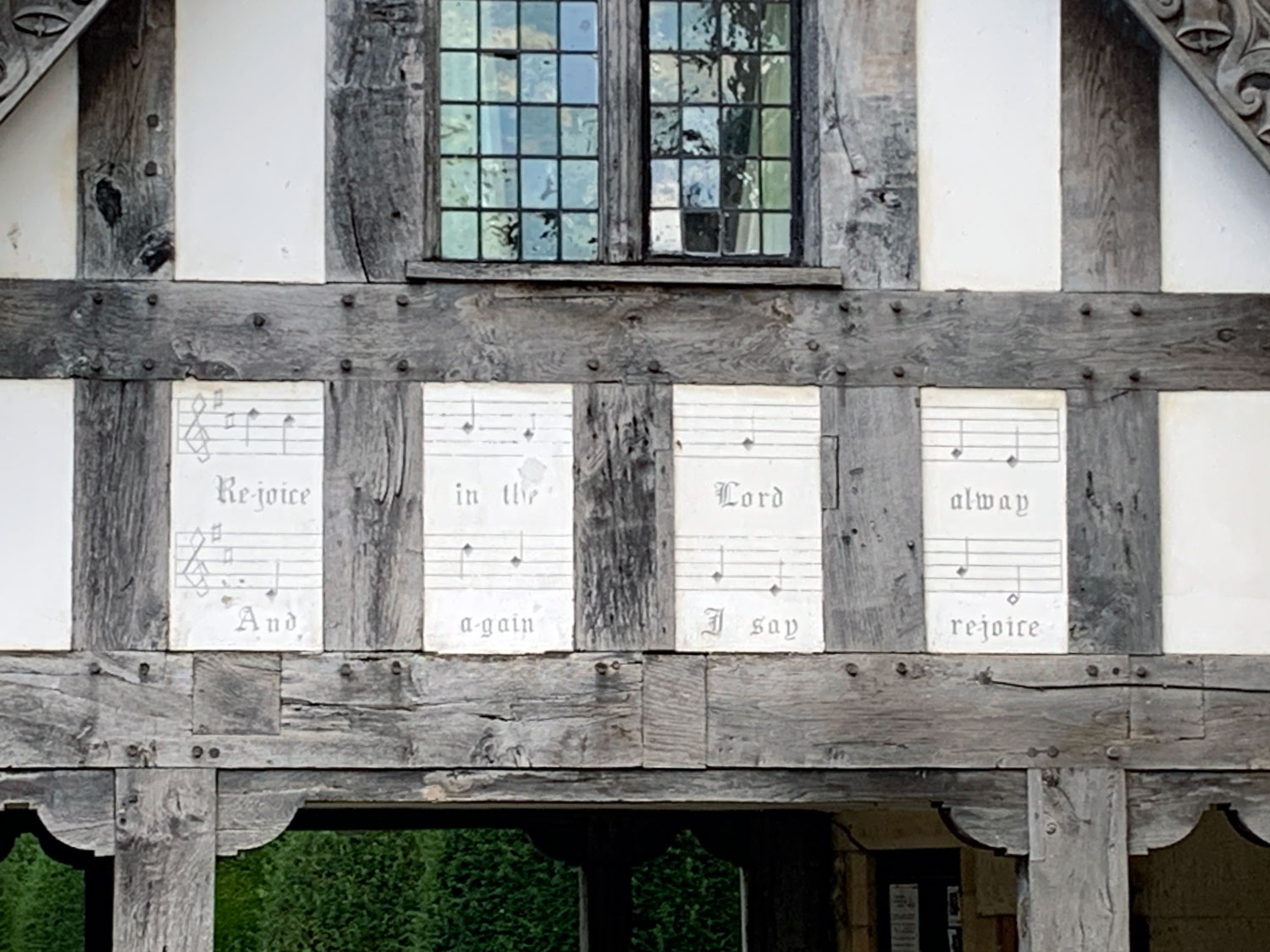
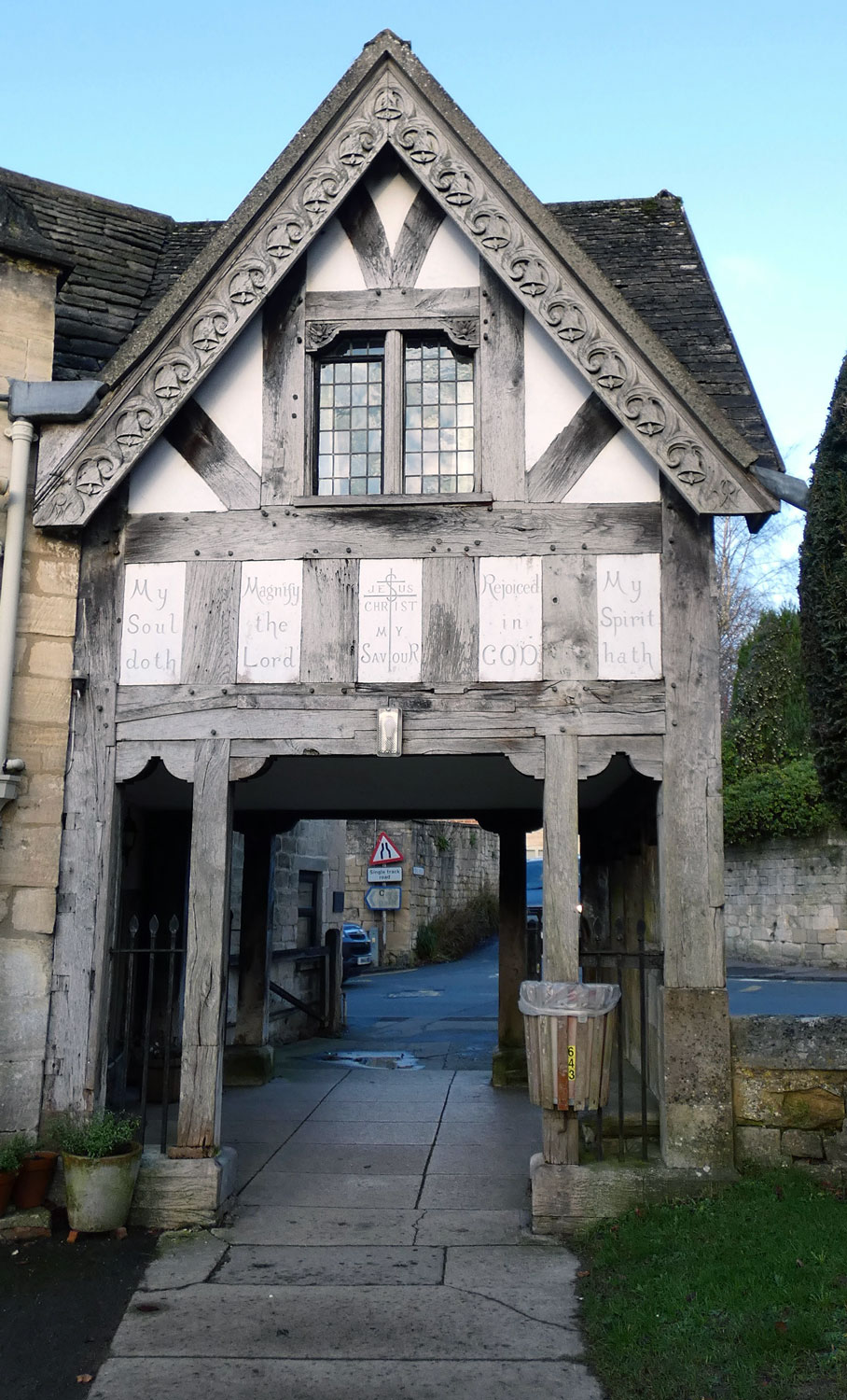
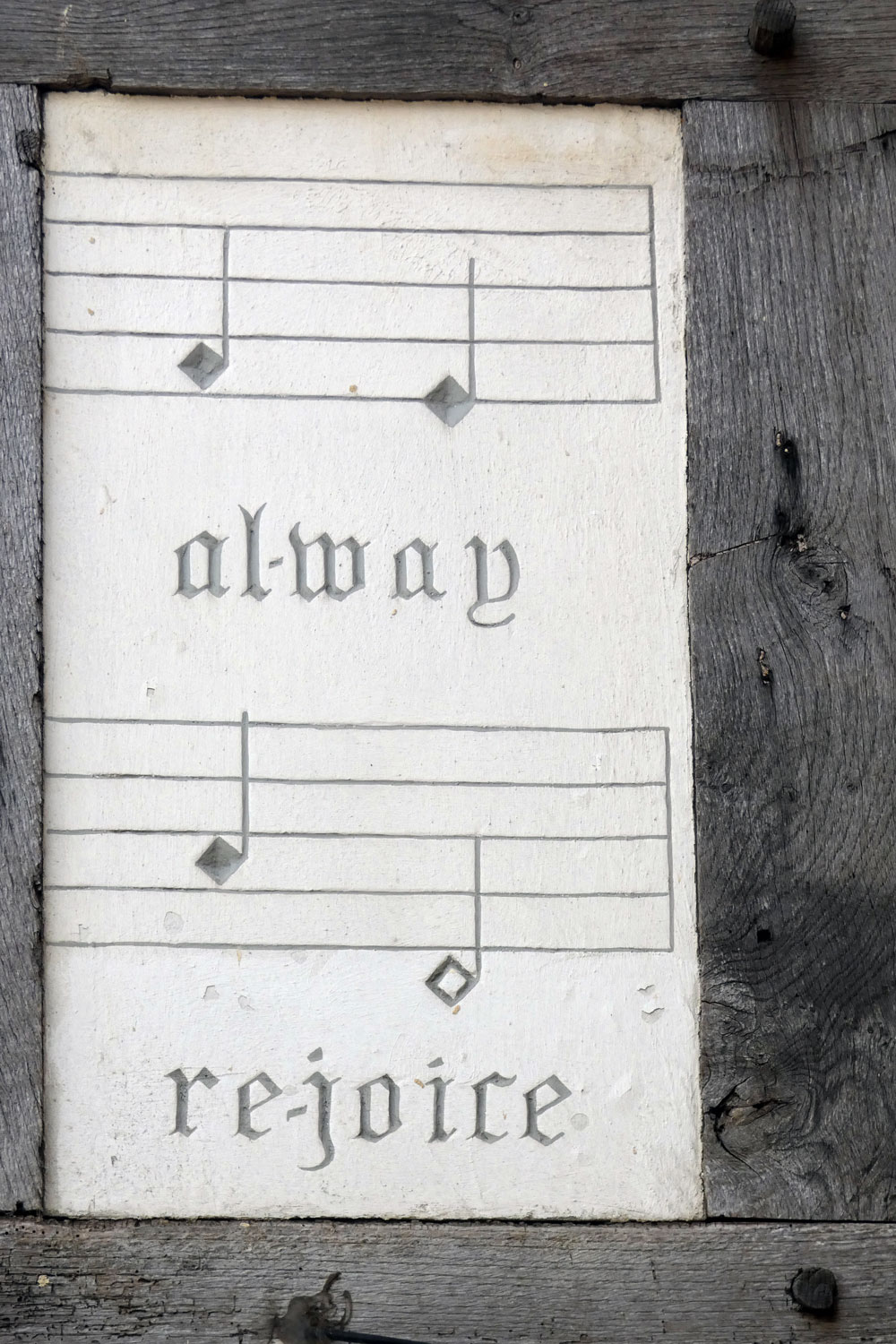
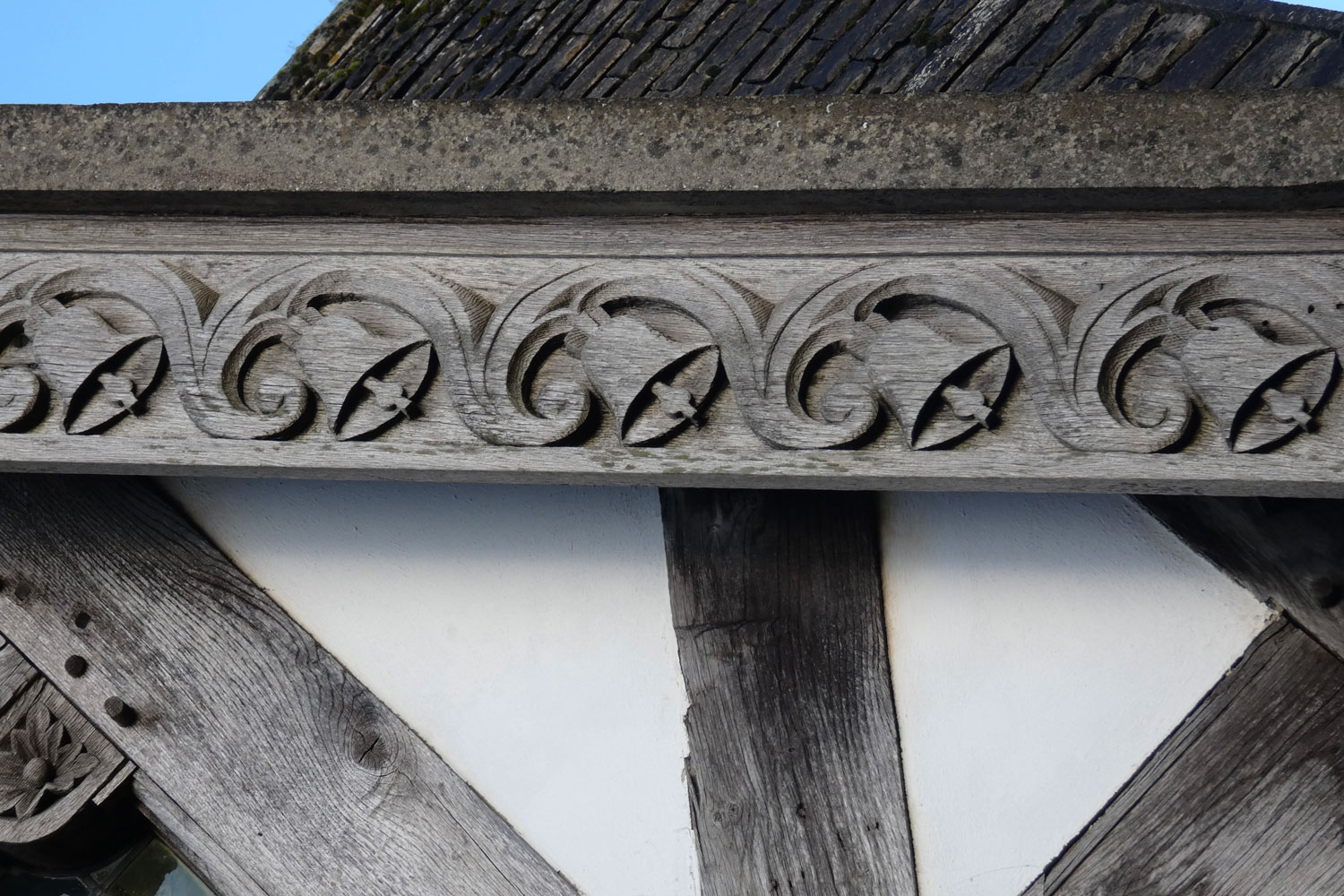
Another landmark for the Society was our Golden Jubilee Season in 1995, which began with the Allegri String Quartet making their ninth appearance at Painswick. The second Jubilee concert was given by the Pembridge Ensemble and the third by Young Musician of the Year winner Nicholas Daniel (oboe), accompanied by Julius Drake. The 50th Season culminated with a recital by Dame Felicity Lott (soprano) accompanied by Graham Johnson. The willingness of so many great musicians and singers to make return visits to Painswick – assured a warm welcome, good hospitality and an appreciative audience – has been one of the most rewarding indications of our long term sustainability as a small music charity.
At this time one of the few challenges for audiences was ensuring a good sightline to the musicians performing our concerts. Fortunately, by 1998 the Society received National Lottery funding to pay for raised staging and lighting, which is now set up and dismantled by a team of volunteers for each concert, and we will always welcome more volunteers! St Mary’s Church has now been our concert venue for more than 40 years, with thanks to the Rector and Church Wardens.

Our founder Mercia Salusbury Baker died in 1977. Her obituary included the very moving statement:
“The Society was very dear to Mercia, and she frequently expressed her pleasure that it continued to be run on the lines laid down by her, growing in strength and membership”.
How proud Mercia Salusbury Baker would have been, that her vision for a Painswick Music Society continues right through to this day. We are one of the best-known music festivals in the area, enhanced every year by modern communications and online booking options. We are still the Painswick Music Society but our audiences are now travelling from far and wide, to enjoy great music, in a beautiful setting, where they can be assured a friendly welcome. We look forward to continuing this great tradition for many more years to come.
Martin Woodhead (Chair)
